





The first chip
You step onto a stone stair. Its edge is rounded by thousands of feet. The brass rail is warm and slightly dull where hands have polished it by accident. Nothing here asks for trust. It earns it. Our minds complete the story. If these surfaces have survived so long, they can handle us too.
Designers know this. Curators know it. Retail knows it. The smallest sign of time changes how a place feels and how we behave. We stand a little straighter in a cloister. We whisper under high plaster vaults with hairline cracks. We lower our guard in a café with worn timber and scuffed skirting boards. Ruins, and the materials that resemble them, give off signals the brain reads fast.
The shortcut behind the feeling
Psychologists call these signals heuristics. In buildings they are everyday shortcuts.
- Survivorship cue: Things that have lasted feel safer and more reliable.
- Human trace: Wear speaks of use, care and community.
- Material honesty: Brick that weathers, stone that chips, timber that darkens. When a material ages as expected, it seems to tell the truth.
- Costly signal: To endure, a structure had to be well made or well tended. The cost is implied, the quality inferred.
None of this requires a lecture. The brain registers it before you frame a sentence.
Why patina sells the story
Patina reduces uncertainty. New surfaces can be too smooth to read. Age adds information. We see how light sits on lime plaster, where rain runs on sandstone, where a hand reaches for a door. These are data points the body understands.
That is why you keep seeing the same palette: reclaimed brick, hand-trowelled plaster, rough-sawn oak, salvaged lighting, steel with a bloom of rust arrested in time. The industrial chic you know is not only a fashion. It is an index of trust cues.
The long history of fake age
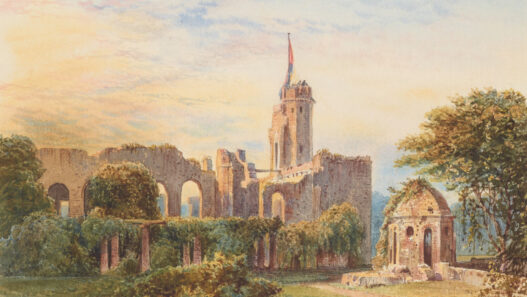
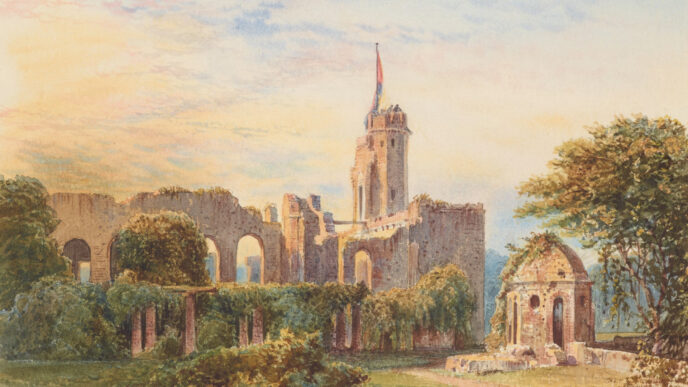
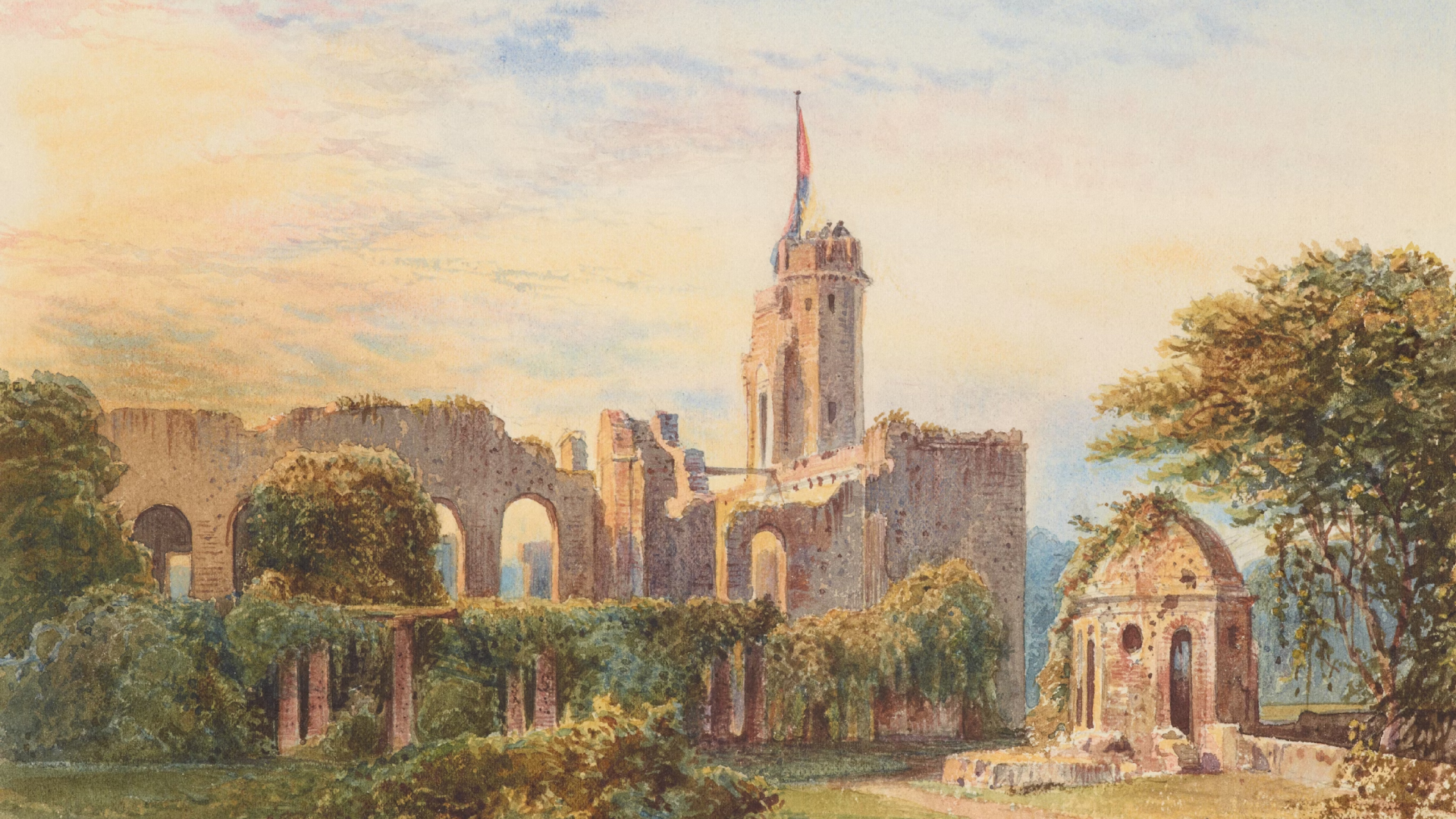
We have also been faking it for centuries. Georgian parks hid brand-new “ruins” among the trees. Film sets distress fresh paint to read as credible streets. Theme parks powder fresh façades so they look walked-in. The trick is simple. If you want people to relax, show them a surface with memory.
This is where ethics begin. The brain is easy to flatter. A false story can feel true. A ruined arch can be a cover for weak structure or shallow thinking. A peeling wall can romanticise neglect. Designers who borrow the look of age without its duties only trade on the mood.
Real age, real duties
Authenticity begins with care for what already exists. If a building carries its years with grace, keep that grace. Stabilise the crack. Mend the stair. Reveal the beam. Add what is needed for light, safety and access. Do not erase the record of time. Do not freeze it either. Let the next layer be clear and legible.
When you must introduce age where there is none, be honest about the means. Use materials that will age well in their own right. Avoid false wormholes and sprayed-on grime. Leave new things new, and place them next to the old so each can set off the other.
How ruins shape behaviour
- Tempo: People slow down in rooms with visible history. Slower movement often leads to longer visits.
- Volume: Rough, porous surfaces soften sound. That changes social tone.
- Wayfinding: Wear patterns predict desire lines. A slightly hollowed threshold tells you where to pass.
- Care: When users see care invested, they tend to meet it. Vandalism drops where stewardship is visible.
These effects are small but cumulative. Good cities exploit them without spectacle.
A short guide for architects, curators and city makers
Start with what time has done.
List what is beautiful because of age: timber sheen, limewash bloom, stone arrises, hand-worn metal. Protect those first.
Reveal layers, do not mash them.
If the building has three eras, let each read. A quiet joint is better than forced blending.
Specify materials for honest weathering.
Uncoated brass, solid timber, breathable plasters, fired clay. Avoid skins that only look like the thing.
Use daylight to tell the truth.
Side light shows texture. Top light reveals dust and colour. Night lighting should skim, not flatten.
Publish the timeline.
A simple panel can show dates, uses, repairs and responsible hands. Context turns charm into knowledge.
Test the edges, not the centre.
If you must introduce distress, do it where hands actually touch. Let real life finish the job.
Keep access modern.
Old does not excuse unsafe steps, poor acoustic control or bad air. Comfort is not the enemy of character.
When ruin aesthetics go wrong
- Poverty tourism: Photographs of abandonment that treat hardship as décor.
- Neglect dressed as taste: Leaking roofs presented as “raw”.
- Uniform patina: Every surface distressed in the same register, like a showroom for fake history.
- Heritage cosplay: New builds that mimic ruins to borrow legitimacy they have not yet earned.
These moves erode trust rather than build it.
Digital ruins
The logic has moved into screens. Film grain in an app trailer, typefaces with irregular edges, a camera shutter sound that never met a shutter. These are skeuomorphs of confidence. The user reads them as care and longevity, even when the code is fresh. As in buildings, the test is whether the signal matches the substance.
Frequently asked questions
Why do people like ruins?
Because ruins compress time. They show structure, material, and human trace at once. The brain gets a fuller model of the place.
Are fake patinas ever acceptable?
Yes, if they admit they are stagecraft, and if the real thing is protected elsewhere. Transparency beats trickery.
How can a new building earn trust without faking age?
Use materials that will age visibly and well, detail for repair, show the joints, and allow users to leave their mark through use.
What about sustainability?
Adaptive reuse almost always stores more carbon than demolition and rebuild. Keeping a wall is not nostalgia. It is arithmetic.
The honest city
Cities do not need to be museums to time. They do not need to be sets. They need to be legible. Ruins teach legibility. They show how forces move, how people move, how weather moves. If we learn from that, we make new places that invite confidence without costume.
Field note
Next time you enter a building, find the most worn surface. Ask what it tells you about the structure, the people and the care. Then look for the least worn surface. Ask why it resists touch. In the distance between those two, the whole design sits.
Join the conversation
Which mark of age made you trust a place you had never visited before? Send a photo and a one-line story. WAI will feature a selection in a reader’s gallery and a short note on what your eye caught and why it matters.