







The status of quiet
Noise is cheap. It multiplies without budget meetings or planning permission. Push notifications, traffic, HVAC hum, the open office that never learned to whisper—these are the default settings of contemporary life. In that environment, stillness reads as rare. When you encounter a room that lets your shoulders drop, you’re meeting a resource under private management: time, attention, and air.
Quiet has become a status signal because it indicates control. Who gets to reduce interruptions? Who owns the schedule others obey? Who can afford space big enough to separate functions—work, rest, talk, look—so they don’t collide? Silence looks like taste, but it behaves like power.
How silence works on the body
- Cognitive load: Fewer sound events mean less task-switching and less decision fatigue.
- Physiology: Lower background noise reduces heart-rate spikes and muscular micro-tension.
- Perception: In art spaces, a lower din sharpens color and detail; in retail or hospitality, it heightens ritual and care.
The outcome is not only comfort. It’s trust. People read quiet spaces as considered, and considered spaces as competent.
Design moves that manufacture stillness
1) Architecture and interiors
- Layered thresholds: A tiny lobby before the room. The door closes; your nervous system follows.
- Soft massing: Heavy curtains, wall panels, books, textiles. Materials that absorb as much as they announce.
- Equipment discipline: Hide mechanical noise early in the plan, not after the snag list.
- Sightline hygiene: Visual clutter amplifies sonic clutter. Clear vistas calm the ear by calming the eye.
2) Exhibition and museum design
- Zoned soundscapes: Group loud media together and buffer with quiet corridors.
- Floor craft: Timber feels quieter than stone when it’s properly isolated from the subfloor.
- Micro-rooms: Niches for looking and writing; alcoves for thinking alone, then rejoining the crowd.
3) Urban and landscape
- Edges that shield: Berms, planting, textured walls that scatter sound rather than throw it back.
- Seating logic: Orient benches away from the noise source; put the view where the ear can rest.
- Temporal design: Quiet hours are design decisions, not only policies.
4) Interfaces and devices
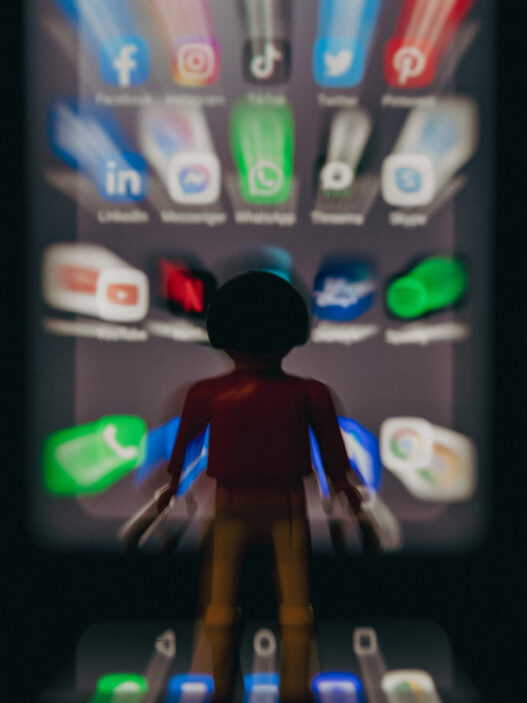
- Default restraint: Batch notifications, gentle haptics, no forced auto-play.
- Pacing cues: Progress bars and dwell timers that normalize slower, deeper use.
- Emergency carve-outs: Clear exceptions for safety so quiet doesn’t equal missed alerts.
Who gets quiet? The politics of stillness
Silence can exclude. A hotel lobby that mutes children, a gallery that polices the volume of certain visitors, a neighborhood that relocates its noise beyond a boundary—these are value judgments disguised as ambience. The ethical version of stillness is access-first: libraries, parks, prayer rooms, free museum days, well-maintained transit waiting areas. If quiet is a human need, it can’t be a private commodity alone.
The aesthetics of restraint
Minimalism tried to sell serenity as a blank box. The future of stillness is not monastic sameness but tuned variety: warm, textured, legible spaces where activity is choreographed, not suppressed. Think layered daylight, soft edges, materials that register use without collapsing into chaos. Quiet is not the absence of life. It is the presence of editorial judgment.
Field notes from the culture of quiet
- Studios that ship: The most productive creative rooms are neither tomb-silent nor cafeteria-loud. They hum at a low, steady baseline where focus survives interruption.
- Restaurants that last: The ones that age well sound like conversation, not a subwoofer.
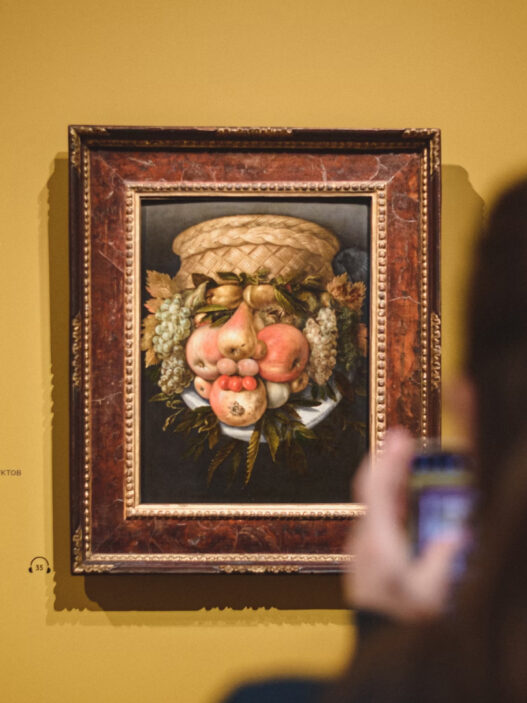
- Galleries that persuade: Visitors stay longer in exhibitions that offer pockets of acoustic relief. Dwell time converts curiosity into understanding.
A practical start (for three types of readers)
For individuals
- Audit your day for noise peaks. Remove one.
- Create a “quiet kit”: earplugs, soft notebook, pen, phone on batch mode.
- Treat silence like exercise—scheduled and tracked.
For designers
- Put acoustic intent in the brief, not the punch list.
- Budget for an acoustic consultant early.
- Prototype with real noise: test spaces with recorded crowd sound before sign-off.
For institutions
- Offer published quiet hours.
- Provide alcoves and benches where people can be alone together.
- Train staff to protect quiet as service, not surveillance.
The new power move
Stillness is not an escape from culture; it’s infrastructure for it. The next era of luxury will be measured less in spectacle and more in how deftly a space edits the world. The loudest flex is a room that doesn’t need to raise its voice.