






You enter a museum thinking you are the driver. You paid for the ticket, you chose a wing, you found the staircase that looks noble in photographs. Then the building lays a hand on your shoulder and turns your head one degree to the right. You don’t feel the hand. You feel certainty.
Exhibition design is the quiet puppeteer of taste. Not the art, not the curator’s prose poem, not even the guard who can wither a sneeze at ten paces. The choreography begins at the floor and ends at your verdict. By the time you say “I loved the Turner,” the room has already loved it for you.
The floor decides your route
Museum floors are traffic engineers in formalwear. A seam in the wood points like an arrow. Stone changes to hardwood and your shoes adjust speed. A rug appears and you drift onto it, assuming the rug is where culture lives. Every shift of texture announces a lane change. You obey without noticing.
Try this: stop on the seam where two materials meet. Look left, then right. Which way offers a longer unobstructed view? That is the route the floor wants. It’s also the route that makes one work feel like the destination and the rest like supporting cast.
Frames are status math
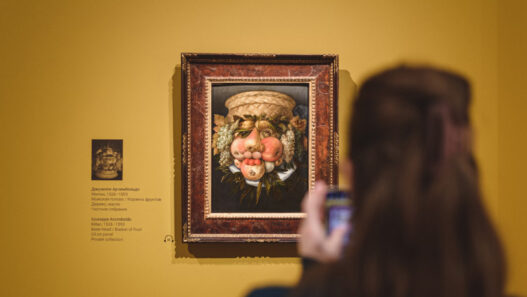
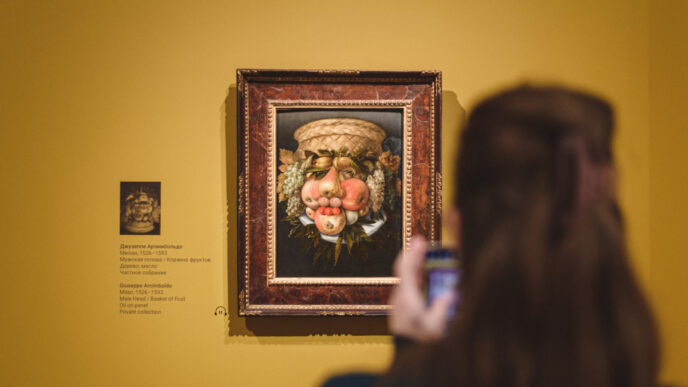
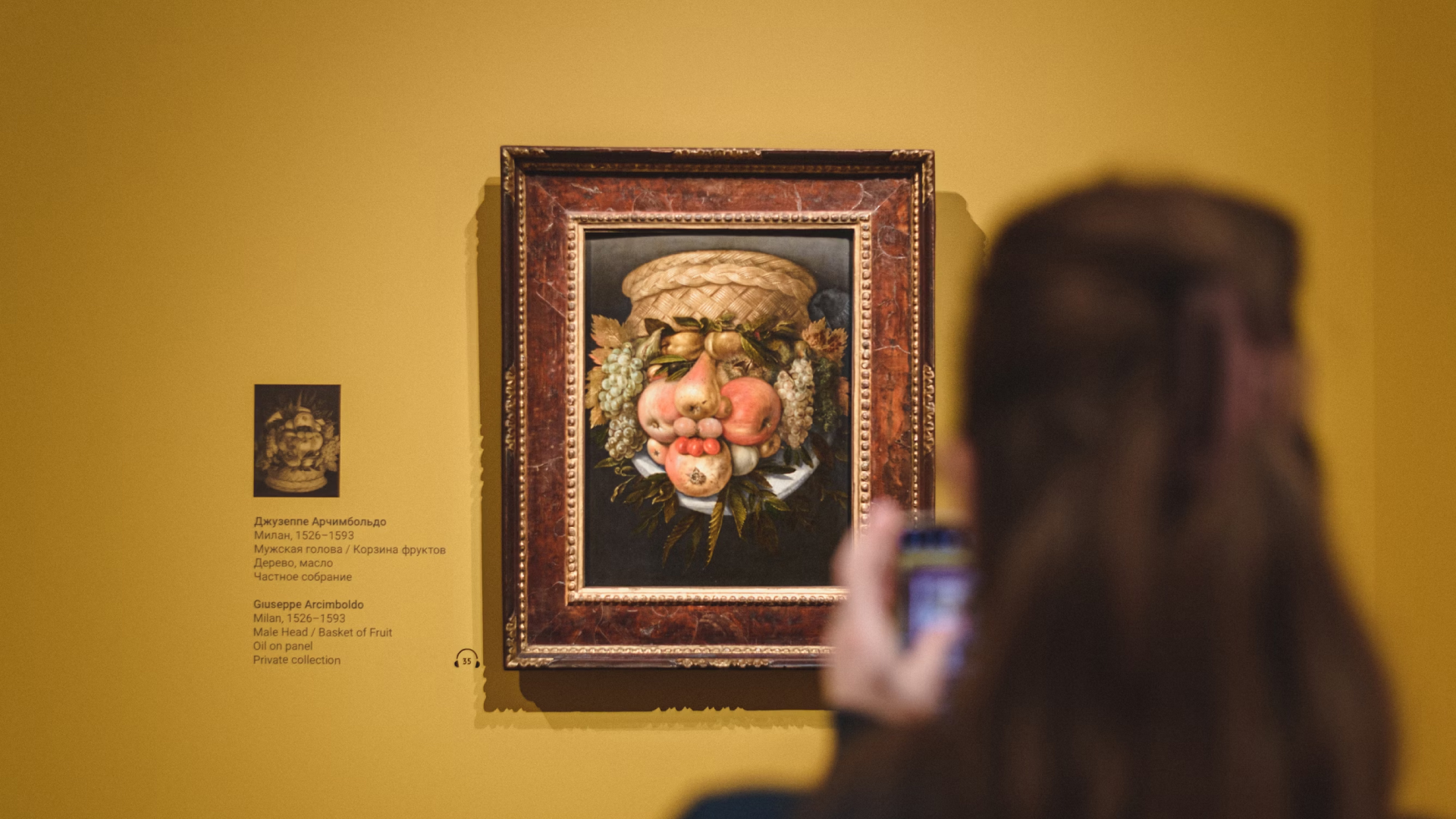
Frames perform social work. Thick, carved, gold frames promise that time and money have already voted for the painting. A thin metal strip whispers neutrality. A creamy mat with generous breathing room says “this piece gets to inhale deeply.” If two works seem uneven in importance, count the inches of the moat around them. You are seeing rank made carpentry.
Frames also change color. Put a cool-toned painting inside a warm-toned frame and the art cools further by comparison, a phenomenon color theorists file under “simultaneous contrast.” You feel it in your jaw before you notice it in your eyes.
Sightlines manufacture authority
The most powerful object in a gallery is often the one you spot from the doorway. Long axial views do something to the spine. A bright piece at the end of a corridor feels like a thesis. The painting hung dead center of the far wall inherits the authority of a podium. A smaller work tucked near the exit reads as an epilogue, no matter what it is. Curators use this on purpose and so would you, if your apartment had a nave.
Two reliable tells
- Anchor at the end: If a single work is visible through three rooms, it will feel canonical by the time you reach it.
- The opening gambit: The piece directly opposite the entrance sets the flavor of everything else. Sour first sip, sour meal.
Light edits the plot
Light is the museum’s invisible scissors. Color temperature can swing from warm gallery to cool gallery and the same canvas tilts from candlelit to clinical. Brightness creates the illusion of cleanliness. Dimness creates the illusion of depth. Add glare and you introduce a villain. If you have ever shifted your stance to dodge a reflection, you have done a micro-choreography designed by the ceiling.
Labels are lit too. Watch how a tiny spotlight can make a 90-word paragraph feel official. If the light on the label is better than the light on the art, the story wins over the image.
Benches and bodies tell you where to look
A bench is a pointing device. If it faces a wall, that wall holds the sermon. If it faces a doorway, the sermon is the walk-through itself. People cluster where sightlines converge, so a crowd can be architecture in motion. The artwork you “discover” alone may simply be the one the benches ignore.
Guards, barriers, and the price of aura
A waist-high cord says scarcity. A discrete laser line says fragility. A guard stationed at one work and not another lends it a hush that reads as holiness. The beep you hear when someone leans too close is a tinny hymn; it makes the object better by penalizing desire. People will deny this, the way we deny being influenced by friends.
The Room Is a Script (you are the actor)
Once you start noticing, the gallery becomes a screenplay.
- Establishing shot: The doorway frames a hero piece.
- Exposition: Labels near the hero anchor the plot.
- Rising action: A bright work pulls you deeper, then a dark one slows you for mood.
- Twist: A color wall or a sudden alcove breaks your rhythm.
- Resolution: A small treasure near the exit makes you feel clever for finding it.
The trick works because it is polite. You are guided, not shoved. You end up believing that your taste is a wild creature when it is a groomed spaniel on a loose leash.
A 10-minute field test for your next visit
- Map the first view. Stand at the threshold. Note what you can see without moving your feet. That object has an unfair lead.
- Scan the floor. Follow seams and material changes. Are they steering you clockwise? If yes, ask what you’re missing counterclockwise.
- Audit spacing. Which work has the most empty wall around it? That’s the designated VIP.
- Check glare. Move two steps left and two steps right. Which pieces are booby-trapped with reflections? Those are accidentally downgraded.
- Bench bias. Sit. What sits directly across from you? That is the room’s thesis.
- Label gravity. Where do label clusters thicken? Your attention will too.
- Color trap. If a painting looks unusually vivid, peek at the wall color behind it. Saturation is contagious.
- Exit trick. Just before leaving, turn around. What did the room want you to remember? It’s almost never the object by the door.
Is this manipulation or mercy?
Both. Good exhibition design prevents chaos and fatigue. It keeps crowds moving and art breathing. It also favors certain works, arguments, and histories. If you want equity, you have to spread the tools: give more pieces the good sightline, the good light, the generous frame. If you want clarity, pick fewer heroes and let them speak. The ethics live in these choices.
What small galleries get right
They cannot afford theatrics, so they use attention like a precious resource. One strong sightline. One careful bench. One good wall color. You exit feeling informed rather than processed. Museums can do this too; they just have more square footage to hide behind.
How to look with agency
- Arrive contrarian. Start at the back of the room, not the front.
- Lower your gaze. Floors and labels tell you the plan.
- Test the frame. Imagine the work unframed or reframed. Does the power shrink or grow?
- Time your stare. Give the less visible piece 30 clean seconds. Taste needs oxygen.
- Name the trick. If you can name it, you can resist it.
Your opinion is not a deer in the woods. It is a house pet that can sit and stay. Teach it a few new commands and the museum changes shape.