





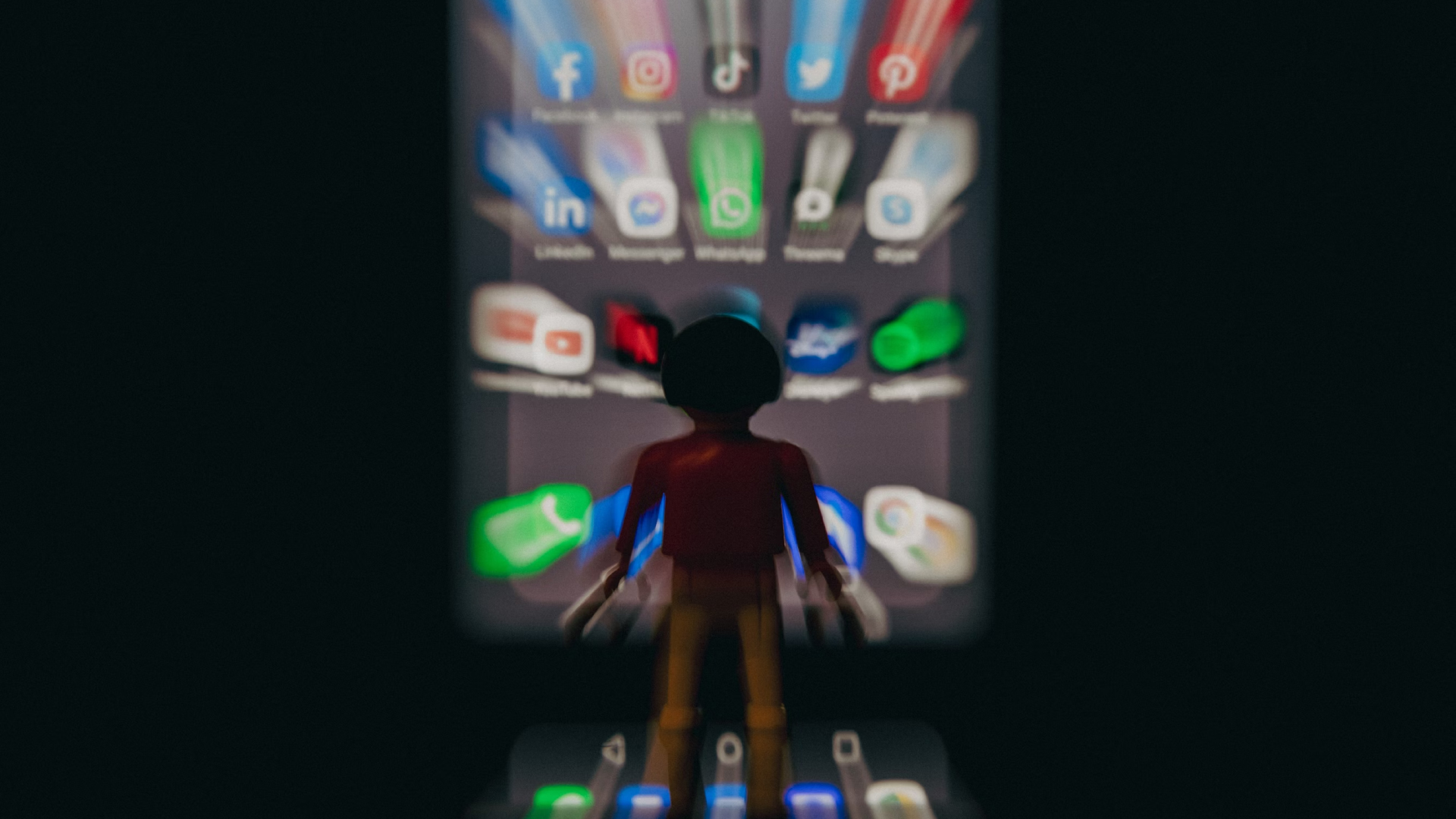
We like to say taste is personal. It is our proof of independence, the small republic we govern even when little else is under our control. Yet the daily experience of culture suggests a sobering revision: much of what we call taste is the residue of machines optimizing for our attention. Platforms claim to serve what we want; they quietly train us to want what they can serve. When the loop closes, we call it “me.”
This is not a conspiracy, just arithmetic. A recommender system watches what we linger on, infers a pattern, and feeds more of it. That feels harmless because each step appears to confirm a preexisting preference. The confirmation is the point. What begins as curiosity becomes a corridor. You think you are browsing; in fact you are being braided into a profile that grows more defensible the longer you carry it. Preference hardens into principle. Principle becomes identity. Identity demands loyalty. And loyalty is engagement by another name.
How the loop manufactures taste
- Prediction as comfort: The system predicts likely clicks and offers them first. The familiar wins, then becomes the standard by which novelty is judged.
- Optimization as habit: If a certain visual grammar keeps you from swiping away—high contrast, quick pacing, a certain color temperature—the feed will major in that. Your body learns the rhythm before your mind notices the pattern.
- Scarcity inversion: The internet gives us infinite choice, then constrains it to keep us from freezing. The shadow price of convenience is cultural narrowness hidden behind an endless scroll.
The result is not censorship. It is curation without argument. Proper curation is a wager backed by reasons; feed-logic is a wager backed by metrics. Reasons invite disagreement and refinement. Metrics just ask for more of the same.
Why the loop feels like identity
You do not merely consume images and sounds. You ritualize them. Aesthetic regularity becomes a social signal. The playlist, the grid, the watch history, the short-video palette—these start to stand in for values. Once that translation occurs, criticism of the pattern feels like criticism of the person. This is the trap: a statistical summary begins to claim the dignity of the self.
Artists are not spared. Creators learn to compose for retention curves. Works are cut to fit the feed’s aspect ratio, soundtracked for the first two seconds, captioned for velocity. There is craft in this, but also a narrowing discipline. What does not thrive in the loop—ambiguity, slowness, difficulty—learns to keep quiet.
What we lose when taste is engineered
- Range: Discovery shrinks. Serendipity dies first, then dissent. You meet fewer works that teach you how to look.
- Depth: Culture becomes snackable. Complexity is exiled by “completion rate.”
- Publicness: Private feeds replace public squares. We confuse a personalized corridor with a shared conversation, then wonder why we cannot hear each other.
This has political consequences. A society of engineered tastes is a society of engineered tribes, each armed with the confidence of having been repeatedly confirmed. We defend our preferences as if they were rights, and we forfeit the civic skill that taste ought to train: the ability to dwell with the unfamiliar without instantly dismissing it.
A small manual for reclaiming your eye
This is not a call to smash phones. It is a call to reinsert agency into the loop.
- Add friction on purpose. Turn off autoplay. Disable “infinite” where you can. Banish notifications that are not from humans you know. If culture matters, it deserves at least one click.
- Program serendipity. Follow sources that irritate your pattern. Once a week, search a medium you never consume—dance if you only read, ceramics if you only code. Curiosity is a muscle; schedule its exercise.
- Use the rule of thirds. One third comfort, one third adjacent novelty, one third deliberate challenge. Apply to books, music, films, galleries, newsletters.
- Make a public list. Post a monthly “things I didn’t expect to like.” Reasons, not ratings. Argument is the immune system of taste.
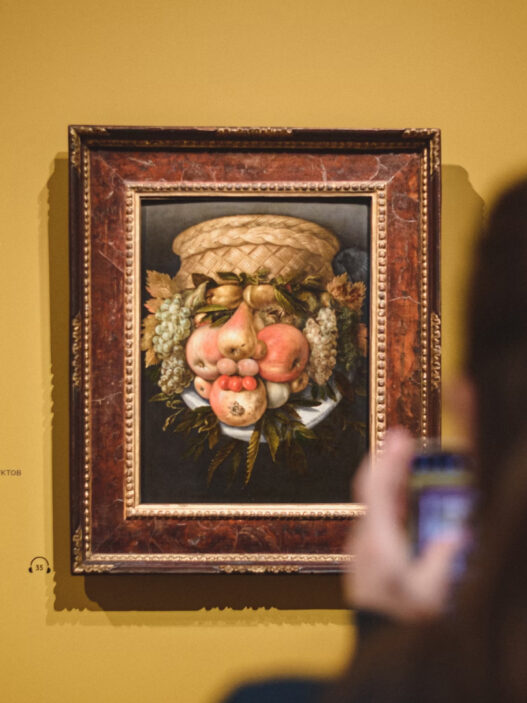
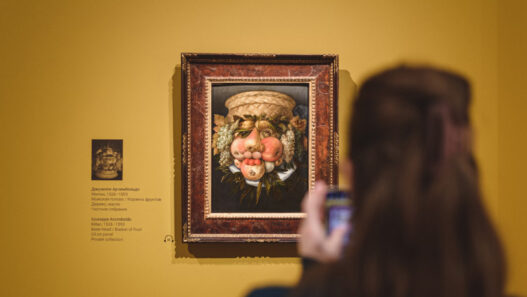
- Practice slow looking. When you visit a museum or even a street mural, pick one work and give it fifteen uninterrupted minutes. Phones can measure steps; let them measure stillness.
- Let difficulty breathe. A work that resists you is not insulting you. Keep a notebook titled “What I don’t get yet.” Return in a month.
- Separate self from style. Write down what your feed says you are. Then list what you value in art—craft, risk, empathy, form, play, dissent. Where they diverge, choose the values.
For creators and institutions, similar choices apply:
- Design for the work first, the feed second. Release a slow cut alongside the short. Let the piece exist where it can be itself.
- Share the process. Drafts, studies, rehearsals. Process invites conversation and teaches audiences how to look.
- Build plural venues. Don’t outsource your entire audience to platforms. Newsletters, salons, small rooms, independent sites—each adds latitude that the main feed cannot give.
- Argue for criteria. Tell your public what you think excellence is and why. Invite disagreement. The goal is not unanimity but literacy.
Policy will lag, but platforms can do better now. Give users control over objectives (“surprise me,” “range over similarity”), disclose why a post was shown, publish share-of-voice dashboards across genres, and allow opt-in randomness that is meaningful, not cosmetic. The point is not to abolish prediction; it is to keep prediction from abolishing agency.
The phone is not the villain. It is a remarkably efficient machine for turning sensation into habit. The responsibility is ours—to refuse the flattering notion that our habits exhaust our humanity. Taste can still be a practice of freedom if we submit it to the discipline that freedom requires: attention, argument, patience.
Your feed knows how to repeat you. You must decide how to exceed yourself.
For the next seven days, run a “Taste Deconditioning” trial. Disable autoplay, unfollow five accounts that only confirm you, and add five that complicate you. Spend one hour with a difficult work and post three sentences about what changed. Share your before-and-after in the comments. Invite a friend to audit your feed and annotate your blind spots. Culture improves when spectators become citizens.